4.9Top Rated Serviceverified by TrustindexTrustindex verifies that the company has a review score above 4.5, based on reviews collected on Google over the past 12 months, qualifying it to receive the Top Rated Certificate.
Namibia – home to the world’s driest and most ancient of deserts, the Namib. The scenery in this country can be dramatic in the extreme, with red dunes like mountains, valleys full of dead trees, a coast littered with broken ships, and landscapes that resemble the Moon. Safaris here are a little bit special, with nature providing a uniquely stark yet somehow tranquil backdrop.
As one of our more challenging safari destinations, it may be said that Namibia is better suited to the more adventurous, experienced safari traveller. Due to the extreme aridity of the Namib Desert, the wildlife has been forced to adapt to the harsh climate, and isn’t always going to oblige visitors with easy sightings.
Nevertheless, although the wildlife here may not be quite as abundant as at other destinations, it can still be prolific in the right areas. Game is plentiful in the northern regions, such as Etosha National Park, where waterholes act as gathering places for many species, and sightings become much more feasible. Namibia also boasts the largest population of cheetahs in the world.
For the truly tenacious among us, however, Namibia has some of the rarest of the rare to be seen. The desert elephant, and the desert black rhino, for instance, are animals not to be found anywhere else in southern Africa. A persistent and organised safari expedition has a chance of sightings; anything less than this is just a wander in the desert.
So, consider carefully if a luxury Namibia safari is for you. We certainly hope it is, since if you decide to come along with us, you’re in for an experience that could change your entire life.
Ready for a true adventure? Let’s go to Namibia.
Answer a few simple questions and we’ll provide you with a customised itinerary absolutely free.
Everything was perfect, and the whole trip went seamlessly with everything completely organised. I really couldn’t have asked for better, from the wonderful accommodation to the drivers and guides, everyone made us feel so welcome. The Fairmont Norfolk in Nairobi was lovely, as were both the safari lodges. I think my favourite lodge though was […]
Dear John Thank you for arranging a fantastic time in South Africa and the Mashatu area in Botswana. This trip was in the green season, which not only provided great animal viewing but stunning scenery and the beauty of changing weather, which further enhanced our time. The highlight was daily morning sightings of the Brown Hyaena […]
Thank you again for organizing such an amazing experience for us. Totally different to South Africa (we enjoyed the complete holiday in SA with Victoria Falls, Cape Town and Soweto). Kenya was all Safari. We may have scared the House of Waine as we went out to visit the nightlife the second night for cigars […]
What an amazing trip we had. Just wow! It was above and beyond expectations. Felt like we were living in a David Attenborough documentary. Every single person every step of the way was wonderful. The guides, the accommodation, the flights, transfers, everything. Thank you for helping us have the absolute best-ever bucket list adventure in […]
You will be pleased to hear that we had a WOW of a time in South Africa. Firstly Cape Town exceeded our expectations with what was on offer with their wonderful scenery made by so many surrounding mountains. With respect to our time spent on safari, again, it was a wonderful time enjoying nature . […]
We would like to thank and congratulate you on organising such a wonderful holiday for us in Africa. Everything worked like clockwork and to be met by Joanne at Johannesburg when we arrived was brilliant. All she did was to meet us with open arms and escort us to the waiting vehicle to take us […]
Windhoek’s first ultra-luxurious sanctuary, the Olive Exclusive is a cool, contemporary and stylish boutique hotel in a tranquil corner of the city. The very essence of chic comfort, but with a warm heart and authentic African soul, the hotel offers individually themed and decorated suites that include lounge and dining areas, numerous convenient amenities as standard, plus an eco-friendly approach and dedicated personal service.
An exquisite desert retreat in the midst of the southern Namib desert, Little Kulala is elegant, spacious, and perfect for unwinding after a day’s exploration of desert treasures. Activities in this cool and serene hideaway include early morning guided nature drives to Sossusvlei, nature drives and walks in the private reserve, and also balloon and helicopter flights.
The only one of its kind in Namibia, The Fort is massive raw walls, stone-clad features and a huge tower overlooking the local landscape, ideally situated for conducting safaris in Etosha National Park. Stylised with a classical African feel and incorporating Moroccan and Indian accents, one of The Fort’s primary features is its stunning tower views onto Fisherman’s Pan.
A small and exclusive camp in the Ongava Game Reserve bordering Etosha National Park, Ongava Tented Camp is a seamless extension of the African Mopani bush. Situated in one of the few reserves where guests can see both black and white rhino, the camp offers morning and afternoon safaris in Etosha and Ongava, night drives, guided walks, and superb wildlife viewing at the camp’s central waterhole.
Uniquely located under lush greenery on the banks of the Kunene River, Serra Cafema is one of the remotest luxury camps in southern Africa. Safari guests at this camp will enjoy engrossing nature walks in the breathtaking Hartmann Valley, river boating, low-impact guided quad-bike excursions, and opportunities to view remarkable desert-adapted wildlife such as oryx, herds of springbok, ostrich and leopard.
Situated in arguably the most pristine wilderness area in Namibia, the Huab River Valley, Damaraland Camp is lauded as one of the country’s best, with magnificent views of the surrounding desert landscape and lofty Brandberg Mountain Range. Utilising eco-friendly construction methods, Damaraland Camp offers various nature drives and walks, as well as visits to local geological wonders and ancient rock art.
Characterised by its famous orange-red dunes that are among the highest in the world,
Sossusvlei is a profoundly arid salt and clay pan that is possibly Namibia’s best-known and most spectacular attraction. An absolute must for visitors, the dunes and dead-tree valleys of this dry but fascinating landscape are a great destination all year round.
Covering an area of over 22,000 square kilometres, Etosha National Park is one of Namibia’s premier safari venues. With an enormous dry salt pan at its centre, the park is exceptional for game viewing as wildlife tend to congregate at the park’s various waterholes, making sightings almost guaranteed. Etosha is malaria free, highly accessible, and offers numerous luxury accommodation options.
A holiday resort full of German colonial influences on Namibia’s west coast, Swakopmund is perfect as a traveller’s way station, or as a home base for exploring the Namib Desert and Skeleton Coast. The town enjoys a mild climate and numerous attractions for tourists, such as elegant colonial architecture, an aquarium, superb coffee houses, an impressively scenic coastal road, and various tours of the local environs.
A land of rugged yet strikingly beautiful rock, mountain, and desert landscapes in Namibia’s north, Damaraland is one of the country’s last “untamed” wildlife regions. Home to a large assortment of desert-adapted game including elephant, rhino, zebra, and lion, Damaraland and its various lodges offer a challenge to the more adventurous traveller, plus the opportunity to view thousands of ancient rock paintings at Brandberg Mountain.
An ideal place to start your Namibian safari adventure, Windhoek is not necessarily what you’d expect from an African capital. An extremely clean, and mostly crime free destination, the city’s buildings are characterised by widespread German architecture, including even a handful of German medieval castles. In addition to its fascinating history, friendly populace, and relaxed atmosphere, Windhoek receives more than 300 days of sunshine per year.
When it comes to viewing some of the world’s most remarkable wildlife in comfort and style, Namibia is no slouch. Whether it’s the prolific game of Etosha National Park in the country’s north, more exclusive locations such as Damaraland, or other game reserves, Namibia has plenty to offer. Be prepared for a true desert safari experience however, as the Namib is an ancient, dry, mesmerising desert like no other.
You’ve never climbed anything until you’ve walked to the top of a three-hundred-metre high sand dune, and gazed out upon the otherworldly landscape of Sossusvlei. Dry, barren, and yet somehow at peace, the dunes of Sossusvlei make for one of the most spectacular sights in all of Namibia. You might even have time to visit the Deadvlei, the ancient and hauntingly beautiful dead-tree valleys of the nearby clay pan.
The desert elephants of Namibia are one of only two such populations known in the world, and the desert black rhinos are the only rhinos worldwide that have survived on communal land with no formal conservation status. Though genetically no different to their non-desert cousins, desert rhinos and elephants are a striking example of just how adaptable wildlife can be. To see them, we recommend joining a specifically organised expedition by a local lodge.
The Skeleton Coast and nearby environs are a place of stark and unforgiving beauty. Once littered with the bones left by the largely abolished whaling industry, these days the coastline is scattered with the poignant remains of shipwrecks. Various fly-in tour options exist, but whichever you choose, one thing is for certain – you are in for some stunning scenery.
Windhoek’s first ultra-luxurious sanctuary, the Olive Exclusive is a cool, contemporary and stylish boutique hotel in a tranquil corner of the city. The very essence of chic comfort, but with a warm heart and authentic African soul, the hotel offers individually themed and decorated suites that include lounge and dining areas, numerous convenient amenities as standard, plus an eco-friendly approach and dedicated personal service.
An exquisite desert retreat in the midst of the southern Namib desert, Little Kulala is elegant, spacious, and perfect for unwinding after a day’s exploration of desert treasures. Activities in this cool and serene hideaway include early morning guided nature drives to Sossusvlei, nature drives and walks in the private reserve, and also balloon and helicopter flights.
A small and exclusive camp in the Ongava Game Reserve bordering Etosha National Park, Ongava Tented Camp is a seamless extension of the African Mopani bush. Situated in one of the few reserves where guests can see both black and white rhino, the camp offers morning and afternoon safaris in Etosha and Ongava, night drives, guided walks, and superb wildlife viewing at the camp’s central waterhole.
The only one of its kind in Namibia, The Fort is massive raw walls, stone-clad features and a huge tower overlooking the local landscape, ideally situated for conducting safaris in Etosha National Park. Stylised with a classical African feel and incorporating Moroccan and Indian accents, one of The Fort’s primary features is its stunning tower views onto Fisherman’s Pan.
Uniquely located under lush greenery on the banks of the Kunene River, Serra Cafema is one of the remotest luxury camps in southern Africa. Safari guests at this camp will enjoy engrossing nature walks in the breathtaking Hartmann Valley, river boating, low-impact guided quad-bike excursions, and opportunities to view remarkable desert-adapted wildlife such as oryx, herds of springbok, ostrich and leopard.
Situated in arguably the most pristine wilderness area in Namibia, the Huab River Valley, Damaraland Camp is lauded as one of the country’s best, with magnificent views of the surrounding desert landscape and lofty Brandberg Mountain Range. Utilising eco-friendly construction methods, Damaraland Camp offers various nature drives and walks, as well as visits to local geological wonders and ancient rock art.
Characterised by its famous orange-red dunes that are among the highest in the world,
Sossusvlei is a profoundly arid salt and clay pan that is possibly Namibia’s best-known and most spectacular attraction. An absolute must for visitors, the dunes and dead-tree valleys of this dry but fascinating landscape are a great destination all year round.
A holiday resort full of German colonial influences on Namibia’s west coast, Swakopmund is perfect as a traveller’s way station, or as a home base for exploring the Namib Desert and Skeleton Coast. The town enjoys a mild climate and numerous attractions for tourists, such as elegant colonial architecture, an aquarium, superb coffee houses, an impressively scenic coastal road, and various tours of the local environs.
Covering an area of over 22,000 square kilometres, Etosha National Park is one of Namibia’s premier safari venues. With an enormous dry salt pan at its centre, the park is exceptional for game viewing as wildlife tend to congregate at the park’s various waterholes, making sightings almost guaranteed. Etosha is malaria free, highly accessible, and offers numerous luxury accommodation options.
A land of rugged yet strikingly beautiful rock, mountain, and desert landscapes in Namibia’s north, Damaraland is one of the country’s last “untamed” wildlife regions. Home to a large assortment of desert-adapted game including elephant, rhino, zebra, and lion, Damaraland and its various lodges offer a challenge to the more adventurous traveller, plus the opportunity to view thousands of ancient rock paintings at Brandberg Mountain.
An ideal place to start your Namibian safari adventure, Windhoek is not necessarily what you’d expect from an African capital. An extremely clean, and mostly crime free destination, the city’s buildings are characterised by widespread German architecture, including even a handful of German medieval castles. In addition to its fascinating history, friendly populace, and relaxed atmosphere, Windhoek receives more than 300 days of sunshine per year.
When it comes to viewing some of the world’s most remarkable wildlife in comfort and style, Namibia is no slouch. Whether it’s the prolific game of Etosha National Park in the country’s north, more exclusive locations such as Damaraland, or other game reserves, Namibia has plenty to offer. Be prepared for a true desert safari experience however, as the Namib is an ancient, dry, mesmerising desert like no other.
You’ve never climbed anything until you’ve walked to the top of a three-hundred-metre high sand dune, and gazed out upon the otherworldly landscape of Sossusvlei. Dry, barren, and yet somehow at peace, the dunes of Sossusvlei make for one of the most spectacular sights in all of Namibia. You might even have time to visit the Deadvlei, the ancient and hauntingly beautiful dead-tree valleys of the nearby clay pan.
The desert elephants of Namibia are one of only two such populations known in the world, and the desert black rhinos are the only rhinos worldwide that have survived on communal land with no formal conservation status. Though genetically no different to their non-desert cousins, desert rhinos and elephants are a striking example of just how adaptable wildlife can be. To see them, we recommend joining a specifically organised expedition by a local lodge.
The Skeleton Coast and nearby environs are a place of stark and unforgiving beauty. Once littered with the bones left by the largely abolished whaling industry, these days the coastline is scattered with the poignant remains of shipwrecks. Various fly-in tour options exist, but whichever you choose, one thing is for certain – you are in for some stunning scenery.
Local Time:

Based on the movement of animals, we recommend the following periods for best game viewing.
Northern Tanzania: All year round except April and May.
Southern Tanzania: June through October.
Zanzibar, Pemba and Mafia: June through October; December through March.
The climate in Tanzania is always wonderful, and so does not impact much on the best time of year to visit. However, in order to climb Mt Kilimanjaro you may need to avoid rains from mid-April to end of May.

Tanzania has a superb climate, ranging from tropical along the coast, to more temperate in the highlands. The seasons are as follows:
April & mid-May: Long rains (green season)
June–September: Cool season
November–December: Short rains
October–March: Hottest season
Temperature range in Tanzania is fairly limited but always warm, ranging from 25–30ºC on the coast while the rest of the country (apart from the highlands) ranges from 22–27ºC.

The main unit of currency is the Tanzania Shilling. However, we advise carrying US Dollars. Money changers do accept major convertible currencies including the Euro and the Japanese Yen.
Travellers cheques may be acceptable in some places, but not in the remote countryside. Major credit cards may also be acceptable in some large hotels, however it is still advisable to carry cash in US Dollars, which you will be able to exchange on arrival.

Light clothing is recommended for safaris during the day, especially in Northern Tanzania (Serengeti, Ngorongoro, Lake Manyara, Tarangire and Arusha). We also recommend sturdy shoes and canvas hats.
During the night in areas like Arusha and the Ngorongoro Highlands, where the altitude is between 1500 – 2500 metres, a cardigan or pullover may be essential.
In the same pack, remember your sunscreen, lotions, sunglasses, a pair of binoculars, and your camera (with plenty of film or digital storage for photos).

Vaccination requirements for Tanzania change from time to time. We suggest you consult your local doctor or health department for information on the latest health precautions.
Currently, shots against yellow fever and cholera are recommended but not mandatory. As a precaution we usually advise antimalarial medication to be taken before, during, and after your visit to East Africa. Also, if you are on prescription medication, please ensure you have an adequate supply to last the duration of your stay, plus a copy of your prescription(s).
Malaria: Your risk of malaria may be high in all countries in East Africa, including in cities. See your health care provider for details concerning risks and preventative medications.
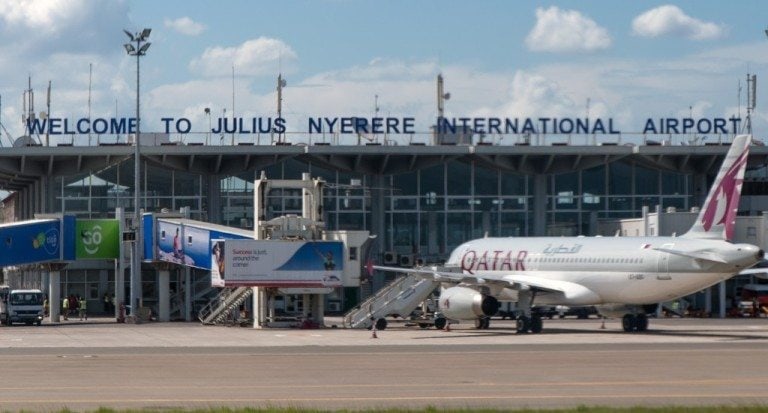
Three international airports are available, including Dar es Salaam (now known as Julias Nyerere International Airport or JNIA), Kilimanjaro International Airport, and Zanzibar International Airport. See flights coming to Tanzania and Zanzibar.
To begin safaris in Northern Tanzania, most visitors are advised to book with airlines whose arrivals & departures are via KILIMANJARO INTERNATIONAL AIRPORT (JRO) which is 45 minutes drive from Arusha town. See international airlines such as Air Tanzania, KLM Royal Dutch (with daily flights out of Amsterdam into Kilimanjaro and Dar es Salaam), Gulf Air, Kenya Airways, Ethiopian Airlines, and Emirates.
It is also possible to get flights arriving to Nairobi (Kenya) from where you can make arrangements to transfer to the Tanzanian city of Arusha.
Tanzania is highly multilingual. However, English is widely spoken as a lingua franca, as is Kiswahili. These serve as working languages, with Kiswahili being the official national language.
Although there are many languages spoken in the country, no single language is spoken natively by a majority of the population.
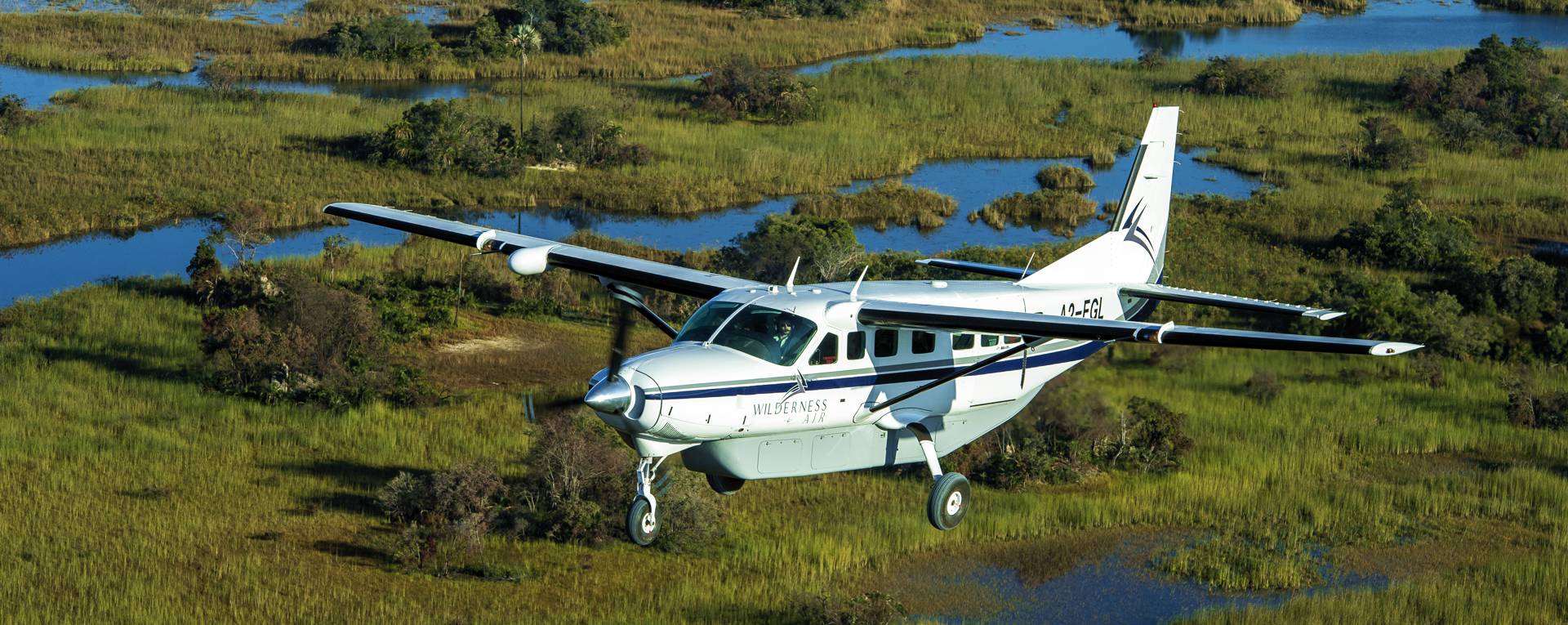
All charter transfers on our luxury Tanzania safari tours are in light aircraft that carry between five and seven passengers. Please note that these planes are limited with regards to the weight that they can carry.
It is therefore vital that all passengers adhere to the luggage restriction of fifteen (15) kilograms per person in a soft bag.
This excludes a reasonable amount of camera equipment and carry-on luggage (up to 5 kilograms – 20 kilograms in total). In addition, please let us know if you are over 188 cm (6’2”) tall or weigh over 100kg (220lbs), so that we can plan our trip appropriately.
Tickets are generally not issued for charter flights; you will however receive a voucher for your trip.
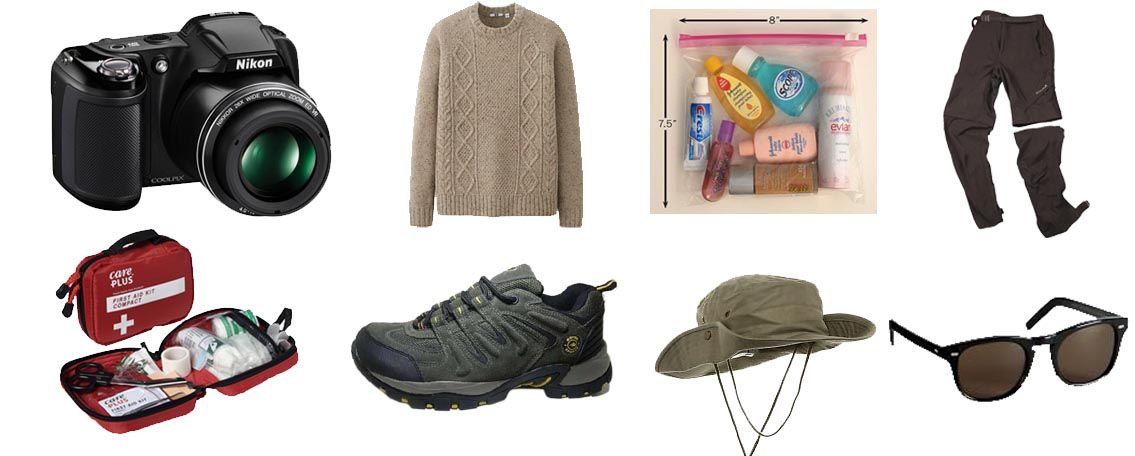
As you will no doubt want to capture as much as possible of your luxury Tanzania safari, remember to bring a camera and/or video camera with plenty of film/digital space and replacement batteries. A quality flashlight may also come in very handy.
Additionally we recommend sunglasses, hat, sunscreen, lip balm, insect repellent, personal toiletries, a small first-aid kit, and a spare pair of glasses or contact lenses if you use them.
Also remember a swimming costume, plus you may wish to include a good book for the relaxing hours. If you are planning for a camping safari, sleeping bags and towels must be included also.
It is generally not advisable to drink or brush your teeth with tap water in Tanzania. Bottled water is available everywhere and in almost all lodges and hotels and all supermarkets. On treks and safaris, it is better to carry sufficient bottled water.
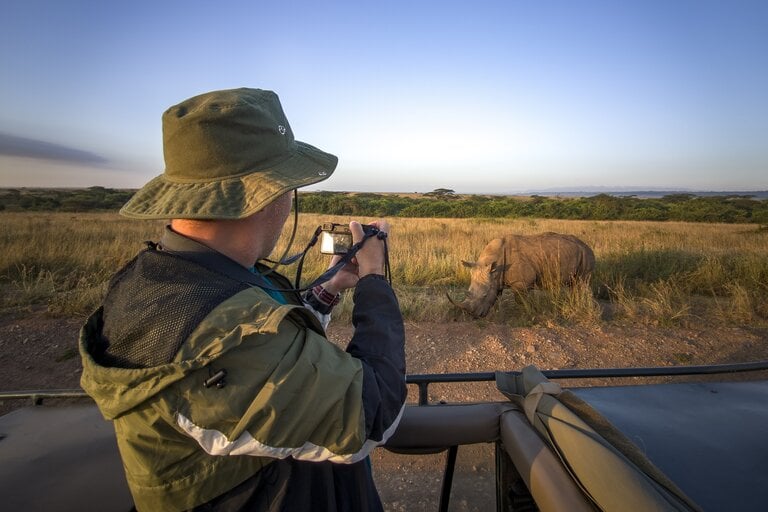
For wildlife photography, a 200 mm zoom lens is the smallest that we recommend, with a 300-400 mm zoom lens preferable.
For bird-watchers, a 500 mm or larger lens is necessary, and a wide-angle lens would be ideal for scenic shots.
We recommend bringing extra camera and flash batteries with plenty of film or digital storage, otherwise these may be quite expensive and difficult to obtain locally.
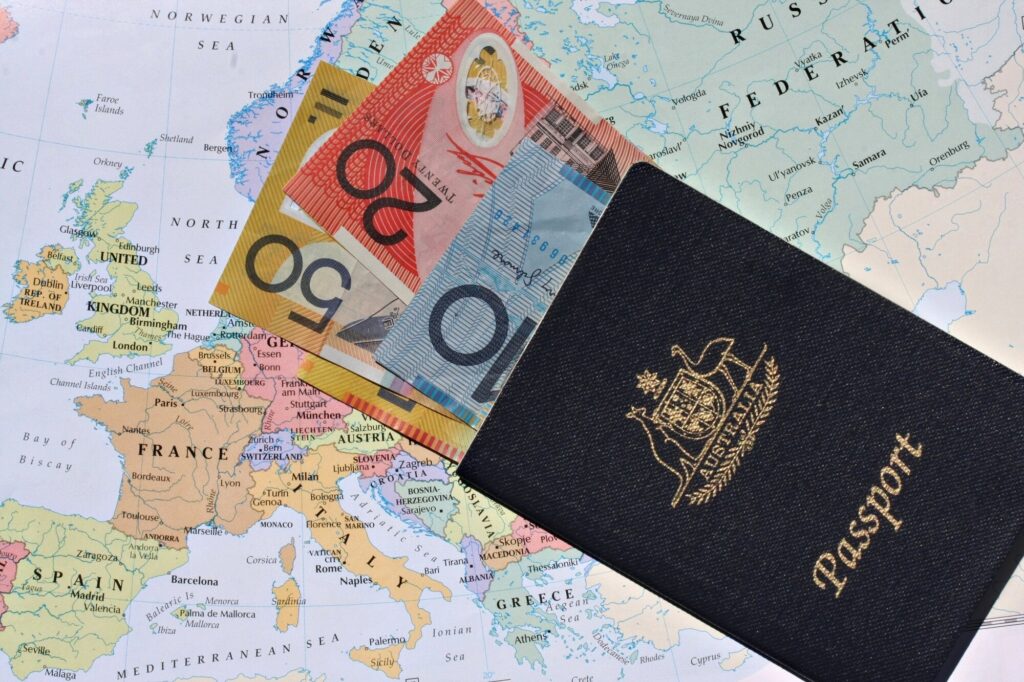
Passport requirements: Each visitor to Tanzania must be in possession of a valid, signed passport that is valid for at least six months beyond his/her scheduled departure date.
PLEASE ENSURE YOU HAVE AT LEAST FOUR BLANK PAGES IN YOUR PASSPORT FOR STAMPS/VISAS ETC. IF NOT, YOU MAY BE REFUSED ENTRY INTO TANZANIA. FOR SECURITY PURPOSES, WE SUGGEST THAT YOU CARRY A PHOTOCOPY OF THE RELEVANT PAGES OF YOUR PASSPORT AND ANY OTHER IMPORTANT TRAVEL DOCUMENTS WITH YOU. IN ADDITION, WE ALSO RECOMMEND THAT YOU LEAVE COPIES OF YOUR DOCUMENTS WITH SOMEONE AT HOME.
VISAS: Visas are required to enter Tanzania as with other East African countries. These can either be obtained in advance through the various embassies/high commissions or consulates abroad, or at the airports or other ports/borders of entry.
The process is fast and easy and all you are required to have is a valid passport (at least six months).
Based on the movement of animals, we recommend the following periods for best game viewing.
Northern Tanzania: All year round except April and May.
Southern Tanzania: June through October.
Zanzibar, Pemba and Mafia: June through October; December through March.
The climate in Tanzania is always wonderful, and so does not impact much on the best time of year to visit. However, in order to climb Mt Kilimanjaro you may need to avoid rains from mid-April to end of May.
Tanzania has a superb climate, ranging from tropical along the coast, to more temperate in the highlands. The seasons are as follows:
April & mid-May: Long rains (green season)
June–September: Cool season
November–December: Short rains
October–March: Hottest season
Temperature range in Tanzania is fairly limited but always warm, ranging from 25–30ºC on the coast while the rest of the country (apart from the highlands) ranges from 22–27ºC.
The main unit of currency is the Tanzania Shilling. However, we advise carrying US Dollars. Money changers do accept major convertible currencies including the Euro and the Japanese Yen. Travellers cheques may be acceptable in some places, but not in the remote countryside. Major credit cards may also be acceptable in some large hotels, however it is still advisable to carry cash in US Dollars, which you will be able to exchange on arrival.
Light clothing is recommended for safaris during the day, especially in Northern Tanzania (Serengeti, Ngorongoro, Lake Manyara, Tarangire and Arusha). We also recommend sturdy shoes and canvas hats. During the night in areas like Arusha and the Ngorongoro Highlands, where the altitude is between 1500 – 2500 metres, a cardigan or pullover may be essential.
In the same pack, remember your sunscreen, lotions, sunglasses, a pair of binoculars, and your camera (with plenty of film or digital storage for photos).
Vaccination requirements for Tanzania change from time to time. We suggest you consult your local doctor or health department for information on the latest health precautions.
Currently, shots against yellow fever and cholera are recommended but not mandatory. As a precaution we usually advise antimalarial medication to be taken before, during, and after your visit to East Africa. Also, if you are on prescription medication, please ensure you have an adequate supply to last the duration of your stay, plus a copy of your prescription(s).
Malaria: Your risk of malaria may be high in all countries in East Africa, including in cities. See your health care provider for details concerning risks and preventative medications.
Three international airports are available, including Dar es Salaam (now known as Julias Nyerere International Airport or JNIA), Kilimanjaro International Airport, and Zanzibar International Airport. See flights coming to Tanzania and Zanzibar.
To begin safaris in Northern Tanzania, most visitors are advised to book with airlines whose arrivals & departures are via KILIMANJARO INTERNATIONAL AIRPORT (JRO) which is 45 minutes drive from Arusha town. See international airlines such as Air Tanzania, KLM Royal Dutch (with daily flights out of Amsterdam into Kilimanjaro and Dar es Salaam), Gulf Air, Kenya Airways, Ethiopian Airlines, and Emirates.
It is also possible to get flights arriving to Nairobi (Kenya) from where you can make arrangements to transfer to the Tanzanian city of Arusha.
Tanzania is highly multilingual. However, English is widely spoken as a lingua franca, as is Kiswahili. These serve as working languages, with Kiswahili being the official national language.
Although there are many languages spoken in the country, no single language is spoken natively by a majority of the population.
All charter transfers on our luxury Tanzania safari tours are in light aircraft that carry between five and seven passengers. Please note that these planes are limited with regards to the weight that they can carry. It is therefore vital that all passengers adhere to the luggage restriction of fifteen (15) kilograms per person in a soft bag.
This excludes a reasonable amount of camera equipment and carry-on luggage (up to 5 kilograms – 20 kilograms in total). In addition, please let us know if you are over 188 cm (6’2”) tall or weigh over 100kg (220lbs), so that we can plan our trip appropriately.
Tickets are generally not issued for charter flights; you will however receive a voucher for your trip.
As you will no doubt want to capture as much as possible of your luxury Tanzania safari, remember to bring a camera and/or video camera with plenty of film/digital space and replacement batteries. A quality flashlight may also come in very handy.
Additionally we recommend sunglasses, hat, sunscreen, lip balm, insect repellent, personal toiletries, a small first-aid kit, and a spare pair of glasses or contact lenses if you use them.
Also remember a swimming costume, plus you may wish to include a good book for the relaxing hours. If you are planning for a camping safari, sleeping bags and towels must be included also.
It is generally not advisable to drink or brush your teeth with tap water in Tanzania. Bottled water is available everywhere and in almost all lodges and hotels and all supermarkets. On treks and safaris, it is better to carry sufficient bottled water.
For wildlife photography, a 200 mm zoom lens is the smallest that we recommend, with a 300-400 mm zoom lens preferable. For bird-watchers, a 500 mm or larger lens is necessary, and a wide-angle lens would be ideal for scenic shots.
We recommend bringing extra camera and flash batteries with plenty of film or digital storage, otherwise these may be quite expensive and difficult to obtain locally.
Passport requirements: Each visitor to Tanzania must be in possession of a valid, signed passport that is valid for at least six months beyond his/her scheduled departure date.
PLEASE ENSURE YOU HAVE AT LEAST FOUR BLANK PAGES IN YOUR PASSPORT FOR STAMPS/VISAS ETC. IF NOT, YOU MAY BE REFUSED ENTRY INTO TANZANIA. FOR SECURITY PURPOSES, WE SUGGEST THAT YOU CARRY A PHOTOCOPY OF THE RELEVANT PAGES OF YOUR PASSPORT AND ANY OTHER IMPORTANT TRAVEL DOCUMENTS WITH YOU. IN ADDITION, WE ALSO RECOMMEND THAT YOU LEAVE COPIES OF YOUR DOCUMENTS WITH SOMEONE AT HOME.
VISAS: Visas are required to enter Tanzania as with other East African countries. These can either be obtained in advance through the various embassies/high commissions or consulates abroad, or at the airports or other ports/borders of entry.
The process is fast and easy and all you are required to have is a valid passport (at least six months).