
 4.9Top Rated Serviceverified by TrustindexTrustindex verifies that the company has a review score above 4.5, based on reviews collected on Google over the past 12 months, qualifying it to receive the Top Rated Certificate.




Two words say everything about Tanzania: Serengeti and Kilimanjaro. One is an endless stretch of savannah thick with wildlife. The other is the tallest freestanding mountain on Earth. Between them sits a country that rewards slow, considered travel, the kind our luxury Tanzania safari is built around.
A Tanzanian safari holiday takes you through the Ngorongoro Crater, an entire ecosystem folded inside a collapsed volcano, across the plains during the Great Migration, and out to the white sand and old stone streets of Zanzibar. As African travel specialists in Australia, we build every private safari in Tanzania around your pace, your interests and the season you’re travelling in, not a fixed template.
Our luxury Tanzanian safari means your own vehicle, your own guide, and a route that isn’t shared with other travellers on a fixed circuit. You set the pace. If a leopard sighting runs long, you stay. If a view calls for a slower morning, that’s the plan.
Privately guided Tanzania safari itineraries work for couples who want uninterrupted time together, for families who need to flex around the kids, and for photographers chasing first light instead of a shared timetable. We pair each private journey with guides who know their regions in real depth: not just the parks, but the seasonal movement of animals within them.
This is where the difference between a general safari operator and true African travel specialists lies. Our private safaris in South Africa and luxury Botswana safari itineraries follow the same principle: real routing, built by people who’ve walked the ground.
The Great Migration is the reason many travellers choose Tanzania first. Roughly two million wildebeest, zebra and gazelle move in a rough clockwise loop across the Serengeti ecosystem, and where they are changes the entire shape of your Tanzanian safari holiday.
Because the migration doesn’t follow a fixed calendar every year, we track recent movement patterns before locking in your camps, so you’re not guessing at timing.
Every operator gives you a lodge brochure. Few give you a straight answer on budget, so here’s ours.
A luxury Tanzania safari typically runs from $900 to $1,600 AUD per person, per day, depending on the lodges you choose, the season, and whether light aircraft transfers are included between parks. Entry-level luxury camps sit toward the lower end; owner-run boutique lodges and private conservancy camps with exclusive traversing rights sit at the top.
As a rough guide, a 10-night Northern Circuit and Zanzibar trip (combining the Serengeti, Ngorongoro Crater and a beach stay on Zanzibar) lands somewhere between $9,000 and $16,000 AUD per person, excluding international flights. That figure includes accommodation, guiding, park fees, most meals, and internal transfers.
Costs shift year to year with park fees and lodge rates, so we confirm exact figures against current pricing before you commit to anything.
Answer a few simple questions and we’ll provide you with a customised itinerary absolutely free.
Our trip of a lifetime to East Africa and our safaris was absolutely mind blowing .The fact of seeing wild animals close up in their environment was a surreal experience that we will have lifetime memories from . This trip was planned over 18 months, and involved a lot of itinerary changes due to the […]
Everything was perfect, and the whole trip went seamlessly with everything completely organised. I really couldn’t have asked for better, from the wonderful accommodation to the drivers and guides, everyone made us feel so welcome. The Fairmont Norfolk in Nairobi was lovely, as were both the safari lodges. I think my favourite lodge though was […]
Dear John Thank you for arranging a fantastic time in South Africa and the Mashatu area in Botswana. This trip was in the green season, which not only provided great animal viewing but stunning scenery and the beauty of changing weather, which further enhanced our time. The highlight was daily morning sightings of the Brown Hyaena […]
Thank you again for organizing such an amazing experience for us. Totally different to South Africa (we enjoyed the complete holiday in SA with Victoria Falls, Cape Town and Soweto). Kenya was all Safari. We may have scared the House of Waine as we went out to visit the nightlife the second night for cigars […]
What an amazing trip we had. Just wow! It was above and beyond expectations. Felt like we were living in a David Attenborough documentary. Every single person every step of the way was wonderful. The guides, the accommodation, the flights, transfers, everything. Thank you for helping us have the absolute best-ever bucket list adventure in […]
You will be pleased to hear that we had a WOW of a time in South Africa. Firstly Cape Town exceeded our expectations with what was on offer with their wonderful scenery made by so many surrounding mountains. With respect to our time spent on safari, again, it was a wonderful time enjoying nature . […]
Hidden amongst one of Tanzania’s largest and oldest coffee plantations is this resplendent lodge with a theme matching its surrounds to perfection. A truly aromatic and sensory experience, the lodge radiates a coffee-styled aura of luxury and comfort, perfect for weary safari-goers returning from an energetic day of viewing the local wildlife.
Only a stone’s throw from the entrance to the Ngorongoro Conservation Area, Plantation Lodge is a lavish plantation hotel on an erstwhile farmstead, perfectly situated as a safari lodge. Extremely popular among both visitors and tour operators, the lodge has received considerable acclaim and ranks among the most beautiful safari hotels in East Africa.
Modern facilities juxtaposed with old-world charm in a pristine setting make this Southern Sun hotel a premier destination for travellers to Tanzania. Located in the centre of the nation’s commercial capital, the hotel provides easy access to some of Dar es Salaam’s most popular attractions including Dar es Salaam Zoo, and the Mbudya and Bongoyo Islands.
Located on the edge of the internationally renowned World Heritage Site of the Ngorongoro Crater, the Crater Lodge is perfectly positioned for exploring an area termed “Africa’s Eden”. Designed in the Masai mud-and-stick homestead style, the Ngorongoro Crater Lodge is among the most architecturally spectacular safari lodges in Africa.
Nestled on the sparkling beaches and halcyon waters of Kiwengwa on the east coast of the island of Unguja lies this idyllic resort – the very picture of leisure. With first-class amenities and facilities, and an inspired blend of Swahili and Arab décor, guests will enjoy a perfectly relaxed ambience during their stay in Zanzibar.
Serengeti Bushcamp is a semi-permanent canvas-tented safari camp with numerous luxury facilities offered at affordable prices, in a superb location for “Big 5” sightings. Located at Tana Springs in Serengeti National Park, the camp is owned and managed by indigenous Tanzanians, meaning you’ll receive their renowned warmth and hospitality and be part of their safari “family” as soon as you arrive.
Flanked by three-million-year-old granite towers in Serengeti National Park is this elegant tented camp, located on one of the main annual corridors for the Great Migration. As well as superb opportunities to discover the Serengeti’s wildlife, guests at this safari camp will enjoy a traditional five-course bush dinner, enlivened by the presence of scarlet-clad Masai warriors at a scenic location on the plains.
An updated luxury tented camp in a private concession of the northern Serengeti, Taasa Lodge offers nocturnal game drives, walking safaris, open safari vehicles, balloon safaris, and all the modern comforts to make you feel at home. As well as special activities provided for family and children, Taasa Lodge offers guests a superb opportunity to immerse themselves in Masai culture at the local village.
Styled to replicate the elegant safari camps of legendary European hunters, Kirawira Camp graces the Serengeti with unforgettable luxury safari adventures, crisp professional services, and 5-star amenities. As the most exclusive of the Serena Group’s safari venues, the camp offers a unique wildlife experience surrounded by the grandeur of Serengeti National Park’s famous Western Corridor.
Situated in the Western Corridor of Serengeti National Park, the creators of Mbalageti spent years searching for a location where tranquility is guaranteed and nature is to be enjoyed in all its facets. Now in full operation, the camp offers a breathtaking 360-degree panoramic view of the Serengeti plains and the Mbalageti River, which lies right on the thundering path of the Great Migration.
Tanzania doesn’t really have a bad season; what changes is what you’ll see and where.
If Kilimanjaro is on your list, avoid the rains between mid-April and the end of May, when trail conditions make the climb considerably harder.
The word Serengeti is inspired from the Masai word siringet, meaning “the place where the land runs on forever”. When you realise Serengeti National Park itself is almost 15,000 square kilometres in size, this description becomes understandable. The park is home to an almost endless variety of wildlife, numerous stellar safari lodges, and takes pride of place as one end of the annual Great Migration.
Termed the “eighth wonder of the natural world” and “Africa’s Eden,” Ngorongoro Crater is the world’s largest unbroken, non-flooded volcanic crater. Replete with a staggering array of wildlife, and home to the densest population of lions in the world, Ngorongoro Crater and its associated conservation area are one of Tanzania’s most uncompromisingly beautiful regions.
A comparatively quiet national park located slightly off the main safari route with significantly fewer tourists, Tarangire is perfect for those wanting a more exclusive safari experience. Though seasonal, strong wildlife concentrations here make for superb game viewing, especially for sighting elephants.
Though not as densely packed with wildlife as other locations, the breathtaking scenery of Lake Manyara and its associated national park make for an excellent day trip. Described by Ernest Hemingway as the loveliest lake in Africa, Lake Manyara and its surrounds are home to numerous tree-climbing lions and over 300 migratory bird species.
History, style, and island landscapes merge to form Zanzibar, a fascinating melting pot of Swahili culture with Arab, Indian, European and British influences off the east coast of Tanzania. Also known as the “Spice Islands”, Zanzibar is at once full of traditional living and modern concessions, tranquil beauty and party buzz. It is also encircled by some of the world’s finest beaches.
On a Tanzania safari, you’ll see the “Big Five”, hundreds of bird species and predator sightings that stay with you long after you’re home. But the wildlife is only part of it. Tanzania’s people, from Maasai communities to Chagga farmers on the slopes of Kilimanjaro and Swahili traders on Zanzibar’s coast, shape the experience just as much as the landscape does.
Throughout, you’re staying in lodges chosen for comfort rather than showy extras, the kind of place where a hard day on safari ends with an amazing meal and a comfortable bed.
Tanzania is a land of safaris. From the “forever plains” of the Serengeti to the secluded beauty of the Ngorongoro Crater and beyond, wildlife viewing is sublime, and safari lodges are well above par. With so much on offer, we recommend some careful planning based on your budget and personal preferences. However, if it’s an unforgettable safari experience you’re after, Tanzania is sure to satisfy.
A fascinating and globally important paleoanthropological site, Olduvai Gorge is a 48-kilometre long, 90-metre deep ravine in eastern Serengeti. The source of hundreds of fossilised human bones and tools dating at thousands to millions of years old, Olduvai Gorge also houses a historic museum chronicling the unearthing of fossils in the area and their scientific impact on human evolutionary history.
The “old town” of Zanzibar City, Stone Town is a prominent historical, cultural and artistic site of East Africa that was once a centre of spice trading and the slave market. Full of intricate alleys, grand architecture, colourful bazaars, and remarkable food, Stone Town is a perfect place for the curious to spend time in exploration of an old world wonder.
Get yourself a guide and spend your day exploring this remarkable safari location. The Ngorongoro Crater is home to all manner of wildlife, residing in one of the most visually stunning and ecologically diverse habitats in all of Africa. At over 260 square kilometres in size, the Ngorongoro Crater is sure to fill your safari cup to overflowing.
Crystal blue waters and powder white sands encircle the idyllic island township of Zanzibar. Some of these world-class beaches are stocked with tourists and hotel nightlife, while others remain virtually undisturbed, ready for you to discover. Take a load off, and slow down your pace on a coastline that could easily be misinterpreted as a slice of paradise.
Local Time:

Based on the movement of animals, we recommend the following periods for best game viewing.
Northern Tanzania: All year round except April and May.
Southern Tanzania: June through October.
Zanzibar, Pemba and Mafia: June through October; December through March.
The climate in Tanzania is always wonderful, and so does not impact much on the best time of year to visit. However, in order to climb Mt Kilimanjaro you may need to avoid rains from mid-April to end of May.

Tanzania has a superb climate, ranging from tropical along the coast, to more temperate in the highlands. The seasons are as follows:
April & mid-May: Long rains (green season)
June–September: Cool season
November–December: Short rains
October–March: Hottest season
Temperature range in Tanzania is fairly limited but always warm, ranging from 25–30ºC on the coast while the rest of the country (apart from the highlands) ranges from 22–27ºC.

The main unit of currency is the Tanzania Shilling. However, we advise carrying US Dollars. Money changers do accept major convertible currencies including the Euro and the Japanese Yen.
Travellers cheques may be acceptable in some places, but not in the remote countryside. Major credit cards may also be acceptable in some large hotels, however it is still advisable to carry cash in US Dollars, which you will be able to exchange on arrival.

Light clothing is recommended for safaris during the day, especially in Northern Tanzania (Serengeti, Ngorongoro, Lake Manyara, Tarangire and Arusha). We also recommend sturdy shoes and canvas hats.
During the night in areas like Arusha and the Ngorongoro Highlands, where the altitude is between 1500 – 2500 metres, a cardigan or pullover may be essential.
In the same pack, remember your sunscreen, lotions, sunglasses, a pair of binoculars, and your camera (with plenty of film or digital storage for photos).

Vaccination requirements for Tanzania change from time to time. We suggest you consult your local doctor or health department for information on the latest health precautions.
Currently, shots against yellow fever and cholera are recommended but not mandatory. As a precaution we usually advise antimalarial medication to be taken before, during, and after your visit to East Africa. Also, if you are on prescription medication, please ensure you have an adequate supply to last the duration of your stay, plus a copy of your prescription(s).
Malaria: Your risk of malaria may be high in all countries in East Africa, including in cities. See your health care provider for details concerning risks and preventative medications.
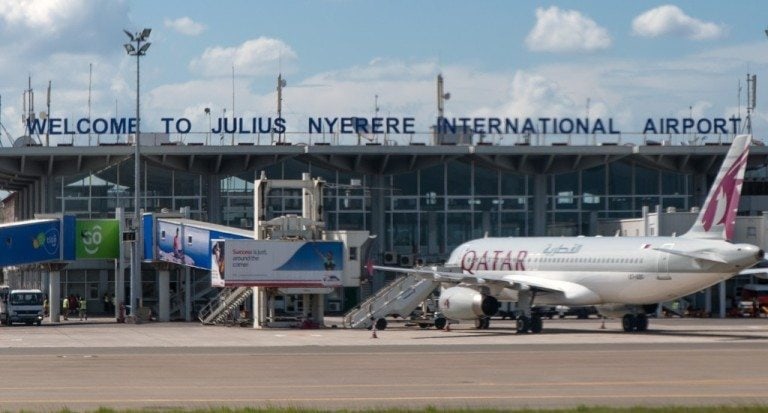
Three international airports are available, including Dar es Salaam (now known as Julias Nyerere International Airport or JNIA), Kilimanjaro International Airport, and Zanzibar International Airport.
See flights coming to Tanzania and Zanzibar.
To begin safaris in Northern Tanzania, most visitors are advised to book with airlines whose arrivals & departures are via KILIMANJARO INTERNATIONAL AIRPORT (JRO) which is 45 minutes drive from Arusha town. See international airlines such as Air Tanzania, KLM Royal Dutch (with daily flights out of Amsterdam into Kilimanjaro and Dar es Salaam), Gulf Air, Kenya Airways, Ethiopian Airlines, and Emirates.
It is also possible to get flights arriving to Nairobi (Kenya) from where you can make arrangements to transfer to the Tanzanian city of Arusha.
Tanzania is highly multilingual. However, English is widely spoken as a lingua franca, as is Kiswahili. These serve as working languages, with Kiswahili being the official national language.
Although there are many languages spoken in the country, no single language is spoken natively by a majority of the population.
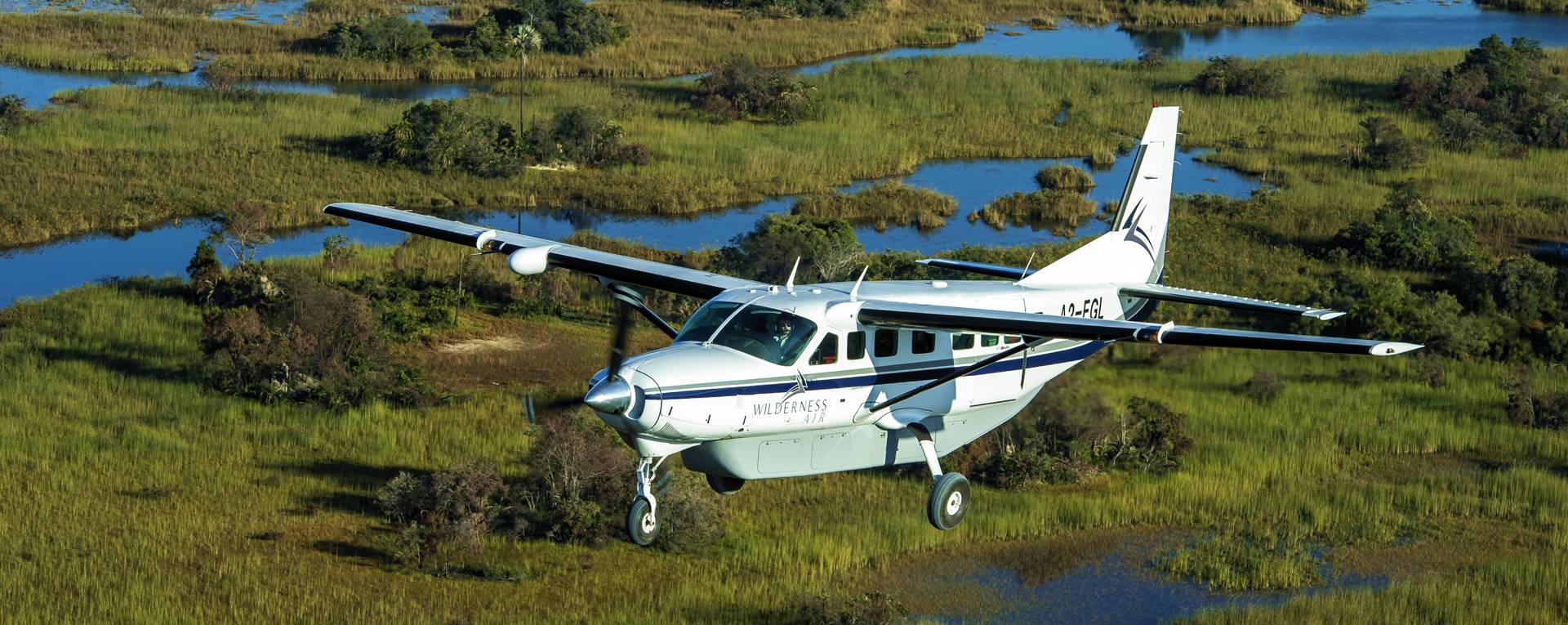
All charter transfers on our luxury Tanzania safari tours are in light aircraft that carry between five and seven passengers. Please note that these planes are limited with regards to the weight that they can carry.
It is therefore vital that all passengers adhere to the luggage restriction of fifteen (15) kilograms per person in a soft bag.
This excludes a reasonable amount of camera equipment and carry-on luggage (up to 5 kilograms – 20 kilograms in total). In addition, please let us know if you are over 188 cm (6’2”) tall or weigh over 100kg (220lbs), so that we can plan our trip appropriately.
Tickets are generally not issued for charter flights; you will however receive a voucher for your trip.
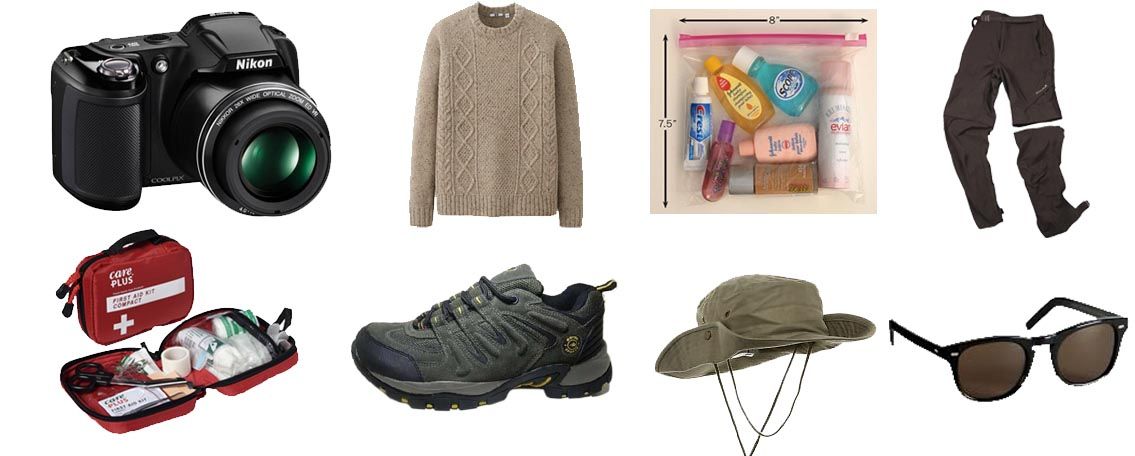
As you will no doubt want to capture as much as possible of your luxury Tanzania safari, remember to bring a camera and/or video camera with plenty of film/digital space and replacement batteries. A quality flashlight may also come in very handy.
Additionally we recommend sunglasses, hat, sunscreen, lip balm, insect repellent, personal toiletries, a small first-aid kit, and a spare pair of glasses or contact lenses if you use them.
Also remember a swimming costume, plus you may wish to include a good book for the relaxing hours. If you are planning for a camping safari, sleeping bags and towels must be included also.
It is generally not advisable to drink or brush your teeth with tap water in Tanzania. Bottled water is available everywhere and in almost all lodges and hotels and all supermarkets. On treks and safaris, it is better to carry sufficient bottled water.

For wildlife photography, a 200 mm zoom lens is the smallest that we recommend, with a 300-400 mm zoom lens preferable.
For bird-watchers, a 500 mm or larger lens is necessary, and a wide-angle lens would be ideal for scenic shots.
We recommend bringing extra camera and flash batteries with plenty of film or digital storage, otherwise these may be quite expensive and difficult to obtain locally.
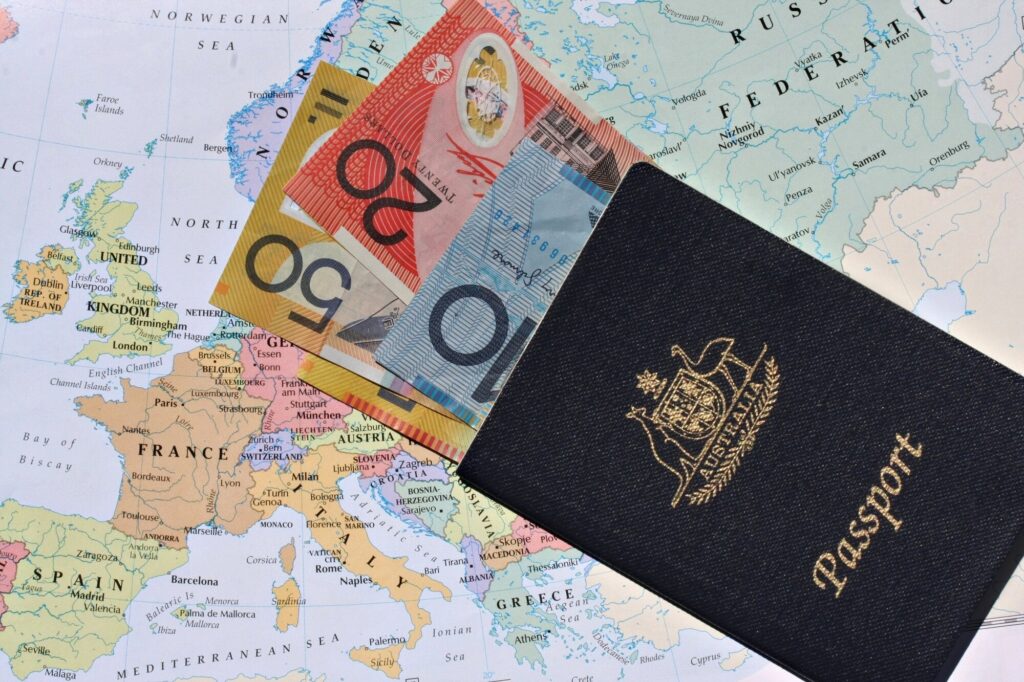
Passport requirements: Each visitor to Tanzania must be in possession of a valid, signed passport that is valid for at least six months beyond his/her scheduled departure date.
PLEASE ENSURE YOU HAVE AT LEAST FOUR BLANK PAGES IN YOUR PASSPORT FOR STAMPS/VISAS ETC. IF NOT, YOU MAY BE REFUSED ENTRY INTO TANZANIA. FOR SECURITY PURPOSES, WE SUGGEST THAT YOU CARRY A PHOTOCOPY OF THE RELEVANT PAGES OF YOUR PASSPORT AND ANY OTHER IMPORTANT TRAVEL DOCUMENTS WITH YOU. IN ADDITION, WE ALSO RECOMMEND THAT YOU LEAVE COPIES OF YOUR DOCUMENTS WITH SOMEONE AT HOME.
VISAS: Visas are required to enter Tanzania as with other East African countries. These can either be obtained in advance through the various embassies/high commissions or consulates abroad, or at the airports or other ports/borders of entry.
The process is fast and easy and all you are required to have is a valid passport (at least six months).
Based on the movement of animals, we recommend the following periods for best game viewing.
Northern Tanzania: All year round except April and May.
Southern Tanzania: June through October.
Zanzibar, Pemba and Mafia: June through October; December through March.
The climate in Tanzania is always wonderful, and so does not impact much on the best time of year to visit. However, in order to climb Mt Kilimanjaro you may need to avoid rains from mid-April to end of May.
Tanzania has a superb climate, ranging from tropical along the coast, to more temperate in the highlands. The seasons are as follows:
April & mid-May: Long rains (green season)
June–September: Cool season
November–December: Short rains
October–March: Hottest season
Temperature range in Tanzania is fairly limited but always warm, ranging from 25–30ºC on the coast while the rest of the country (apart from the highlands) ranges from 22–27ºC.
The main unit of currency is the Tanzania Shilling. However, we advise carrying US Dollars. Money changers do accept major convertible currencies including the Euro and the Japanese Yen. Travellers cheques may be acceptable in some places, but not in the remote countryside. Major credit cards may also be acceptable in some large hotels, however it is still advisable to carry cash in US Dollars, which you will be able to exchange on arrival.
Light clothing is recommended for safaris during the day, especially in Northern Tanzania (Serengeti, Ngorongoro, Lake Manyara, Tarangire and Arusha). We also recommend sturdy shoes and canvas hats. During the night in areas like Arusha and the Ngorongoro Highlands, where the altitude is between 1500 – 2500 metres, a cardigan or pullover may be essential.
In the same pack, remember your sunscreen, lotions, sunglasses, a pair of binoculars, and your camera (with plenty of film or digital storage for photos).
Vaccination requirements for Tanzania change from time to time. We suggest you consult your local doctor or health department for information on the latest health precautions.
Currently, shots against yellow fever and cholera are recommended but not mandatory. As a precaution we usually advise antimalarial medication to be taken before, during, and after your visit to East Africa. Also, if you are on prescription medication, please ensure you have an adequate supply to last the duration of your stay, plus a copy of your prescription(s).
Malaria: Your risk of malaria may be high in all countries in East Africa, including in cities. See your health care provider for details concerning risks and preventative medications.
Three international airports are available, including Dar es Salaam (now known as Julias Nyerere International Airport or JNIA), Kilimanjaro International Airport, and Zanzibar International Airport. See flights coming to Tanzania and Zanzibar.
To begin safaris in Northern Tanzania, most visitors are advised to book with airlines whose arrivals & departures are via KILIMANJARO INTERNATIONAL AIRPORT (JRO) which is 45 minutes drive from Arusha town. See international airlines such as Air Tanzania, KLM Royal Dutch (with daily flights out of Amsterdam into Kilimanjaro and Dar es Salaam), Gulf Air, Kenya Airways, Ethiopian Airlines, and Emirates.
It is also possible to get flights arriving to Nairobi (Kenya) from where you can make arrangements to transfer to the Tanzanian city of Arusha.
Tanzania is highly multilingual. However, English is widely spoken as a lingua franca, as is Kiswahili. These serve as working languages, with Kiswahili being the official national language.
Although there are many languages spoken in the country, no single language is spoken natively by a majority of the population.
All charter transfers on our luxury Tanzania safari tours are in light aircraft that carry between five and seven passengers. Please note that these planes are limited with regards to the weight that they can carry. It is therefore vital that all passengers adhere to the luggage restriction of fifteen (15) kilograms per person in a soft bag.
This excludes a reasonable amount of camera equipment and carry-on luggage (up to 5 kilograms – 20 kilograms in total). In addition, please let us know if you are over 188 cm (6’2”) tall or weigh over 100kg (220lbs), so that we can plan our trip appropriately.
Tickets are generally not issued for charter flights; you will however receive a voucher for your trip.
As you will no doubt want to capture as much as possible of your luxury Tanzania safari, remember to bring a camera and/or video camera with plenty of film/digital space and replacement batteries. A quality flashlight may also come in very handy.
Additionally we recommend sunglasses, hat, sunscreen, lip balm, insect repellent, personal toiletries, a small first-aid kit, and a spare pair of glasses or contact lenses if you use them.
Also remember a swimming costume, plus you may wish to include a good book for the relaxing hours. If you are planning for a camping safari, sleeping bags and towels must be included also.
It is generally not advisable to drink or brush your teeth with tap water in Tanzania. Bottled water is available everywhere and in almost all lodges and hotels and all supermarkets. On treks and safaris, it is better to carry sufficient bottled water.
For wildlife photography, a 200 mm zoom lens is the smallest that we recommend, with a 300-400 mm zoom lens preferable. For bird-watchers, a 500 mm or larger lens is necessary, and a wide-angle lens would be ideal for scenic shots.
We recommend bringing extra camera and flash batteries with plenty of film or digital storage, otherwise these may be quite expensive and difficult to obtain locally.
Passport requirements: Each visitor to Tanzania must be in possession of a valid, signed passport that is valid for at least six months beyond his/her scheduled departure date.
PLEASE ENSURE YOU HAVE AT LEAST FOUR BLANK PAGES IN YOUR PASSPORT FOR STAMPS/VISAS ETC. IF NOT, YOU MAY BE REFUSED ENTRY INTO TANZANIA. FOR SECURITY PURPOSES, WE SUGGEST THAT YOU CARRY A PHOTOCOPY OF THE RELEVANT PAGES OF YOUR PASSPORT AND ANY OTHER IMPORTANT TRAVEL DOCUMENTS WITH YOU. IN ADDITION, WE ALSO RECOMMEND THAT YOU LEAVE COPIES OF YOUR DOCUMENTS WITH SOMEONE AT HOME.
VISAS: Visas are required to enter Tanzania as with other East African countries. These can either be obtained in advance through the various embassies/high commissions or consulates abroad, or at the airports or other ports/borders of entry.
The process is fast and easy and all you are required to have is a valid passport (at least six months).
Tanzania sits naturally alongside other regions, and many of our clients build multi-country trips rather than a single-destination visit.
Popular combinations include pairing Tanzania with Botswana for Okavango Delta water safaris, or extending into Kenya safari holidays to follow the Great Migration across the border into the Masai Mara. Gorilla trekking through luxury safaris in Rwanda works well as an add-on for travellers wanting primates alongside plains game.
Families usually prefer our luxury family safari holiday structure, with shorter game drives, family suites and downtime built into the schedule. Couples usually prefer our safari holidays for couples format, with private vehicles and adults-only camps.
No two Tanzania trips we plan look the same, because no two travellers want the same thing from their African adventure.
Tell us what you’re after, the Great Migration, Zanzibar, a private family trip or a couple’s escape, and we’ll build an itinerary around it.
Budget roughly $900 to $1,600 AUD per person, per day, depending on lodge style, season and internal flights. A 10-night Northern Circuit and Zanzibar trip typically runs $9,000 to $16,000 AUD per person, excluding international airfares.
Northern Tanzania is good most of the year except April and May. Southern Tanzania is best from June to October, and Zanzibar suits both June–October and December–March. The right timing also depends on where the Great Migration is at the time of your trip.
It depends on the month. The southern Serengeti and Ndutu area is best for calving season in January and February, while the northern Serengeti (and across into Kenya’s Masai Mara) is the place to be for river crossings between July and October.
Most travellers need at least 7 to 10 days to properly cover the Serengeti and Ngorongoro Crater without rushing between camps. Adding Zanzibar for a beach stay usually takes the trip to 10 to 14 days.
Yes, it’s one of the most popular combinations we plan. A typical structure spends 6 to 8 nights on safari across the Serengeti and Ngorongoro, followed by 3 to 5 nights unwinding on Zanzibar’s beaches.
A private Tanzania safari means your own vehicle and guide for the length of your trip, rather than joining a shared group on a fixed schedule. You get flexibility over pacing, sightings and daily timing, which especially suits couples, families and photographers.
Typically accommodation, a private guide and vehicle, park and conservation fees, most meals, and internal transfers (including light aircraft where relevant) between camps. International flights and travel insurance are usually separate.
Yes. Australian passport holders need a visa to enter Tanzania, including Zanzibar. The easiest route is applying for an eVisa online in advance; the standard single-entry tourist visa costs around $50 USD and is valid for up to 90 days. We recommend applying at least a few weeks before you travel and checking Smart Traveller for the latest entry requirements before you go.

